


Releef™ Reflexology Ball
Releef™ Reflexology Ball
Deep pressure point rolling to loosen tight tissue
Reaches stubborn knots that foam rollers miss
Improves everyday mobility by reducing stiffness
Pocket-sized to relieve tension wherever you go
Couldn't load pickup availability
30-day risk
free trial
Express 48hr
dispatch


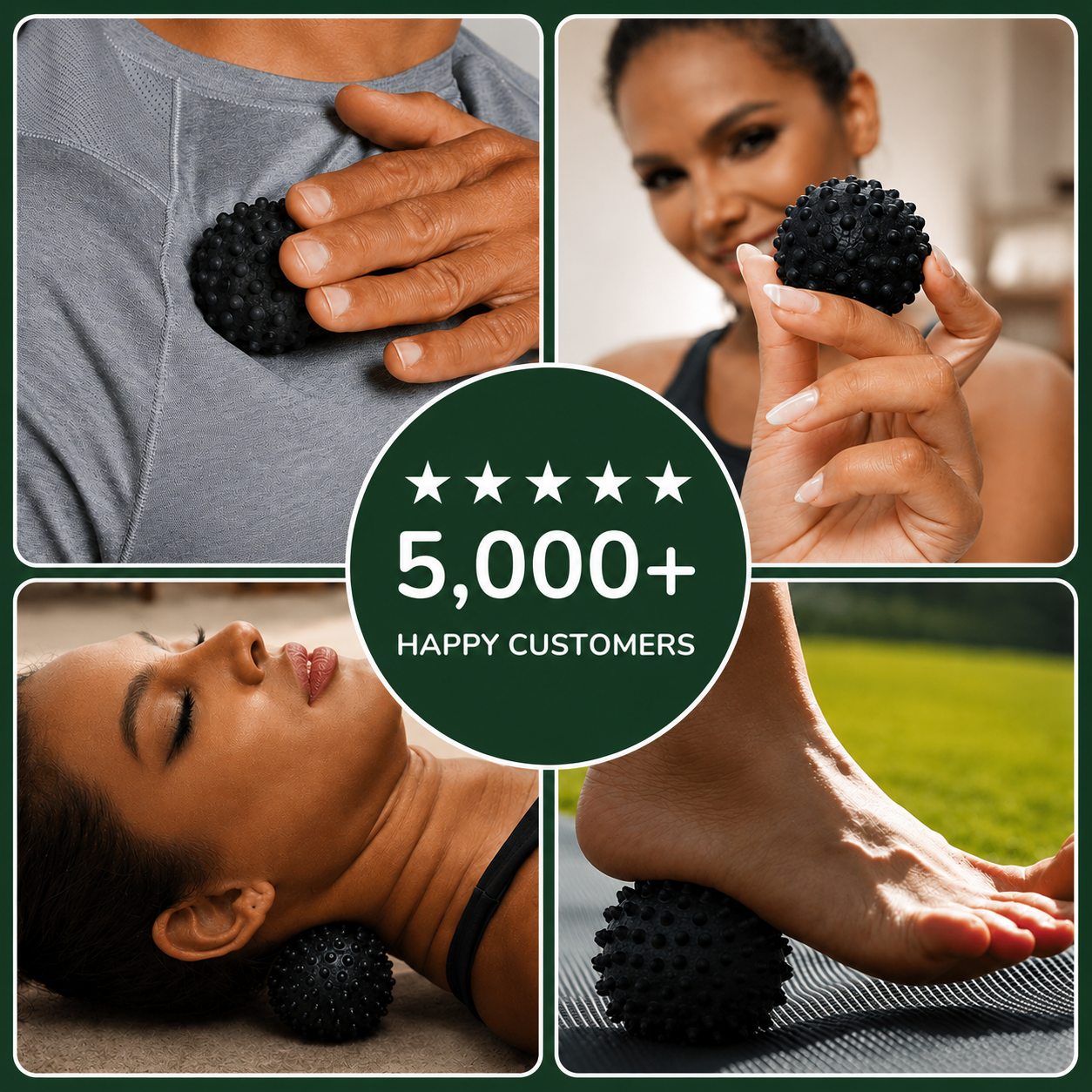

Target tension where your hands can't reach
Constant walking, standing, training, or sitting can create stubborn tension in your feet & muscles. As this tension builds, it can lead to stiffness, soreness & discomfort that affects how your body feels & moves throughout the day.

A simple way to feel better daily
Take time to release tension, reset & help your body unwind from everyday stress. Designed to target tight muscles, ease discomfort & leave your body feeling relaxed, loose & relieved, so you can move with ease.

Your go-to reflexology ball for everyday relief
Our Releef™ Reflexology Ball is the ultimate solution for targeted muscle relief, helping you break up tension, release tight spots & deliver effective relief whenever and wherever you need it.

100% Money-Back Guarantee
We’re confident you’ll love your Releef™ products. If for any reason you’re not completely satisfied, simply return your items within 30 days for a full refund, no questions asked!
Why every home needs a Releef™ Reflexology Ball...

Release Built-up Tension

Reduce Muscle Tightness

Instantly Usable Anytime

Small & Lightweight
Have questions?
Why would I use a reflexology ball?
Reflexology balls are great at targeting specific areas of the body that require release and are incredibly beneficial at increasing range of movement and eliminating pain.
These balls can mimic the pressure of a deep tissue massage, providing relief from uncomfortable knots and tightness in the muscles.
How do I use a reflexology ball?
Place the ball between your body and a hard surface (floor or wall) then apply moderate pressure with your body weight and roll slowly over the area to find tender spots.
Once a "knot" is found, hold the position for 30–90 seconds to allow the muscle to release. Breathe deeply to help the muscle relax. Aim for "good pain" (around a 5–6 on a 10-point scale), not sharp or intense pain
How often should I use a reflexology ball?
Most benefit from using a massage ball 3–5 times per week.
Spend roughly 1–3 minutes per muscle group, or 5–15 minutes per session.
Daily use is possible, but avoid aggressive, deep-tissue work on the same spot every day to prevent bruising.
What are common mistakes to avoid?
Avoid applying excessive pressure as this can cause nerve irritation or bruising.
Avoid rolling too fast as rapid and aggressive movements prevent muscles and fascia from releasing.
Avoid holding your breath as this creates tension. Breathe deeply and relax into the ball to aid muscle release.
Are there any safety precautions?
We advise the user to avoid bony, bruised or open wound areas.
For those who have fragile bones, internal organic problems, or chronic intense pain, we recommend consulting a professional before use.
How hard should it feel?
The sensation should be a "good pain" (around 5–6/10 intensity), never sharp or unbearable.
Where should I avoid using a Reflexology Ball?
Avoid using the ball directly on bones, joints, the spine, or injured/inflamed skin.
Should I use a Reflexology Ball or a foam roller?
A Reflexology Ball is best for pinpoint accuracy. It can reach deep trigger points in small or "hidden" areas like the upper back, glutes, and feet.
A foam roller is better for broad areas. It is more efficient for flushing out large muscle groups like the quads or hamstrings after a workout.